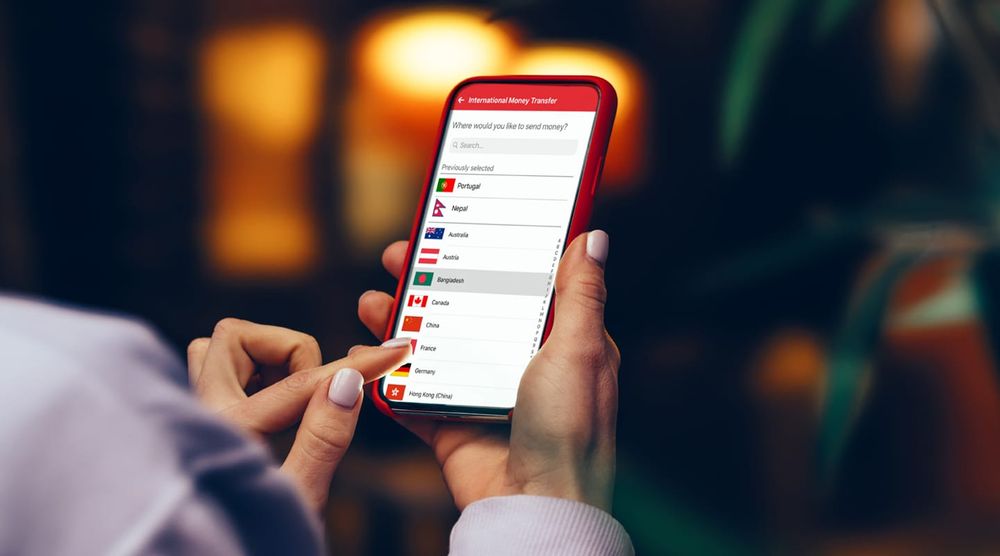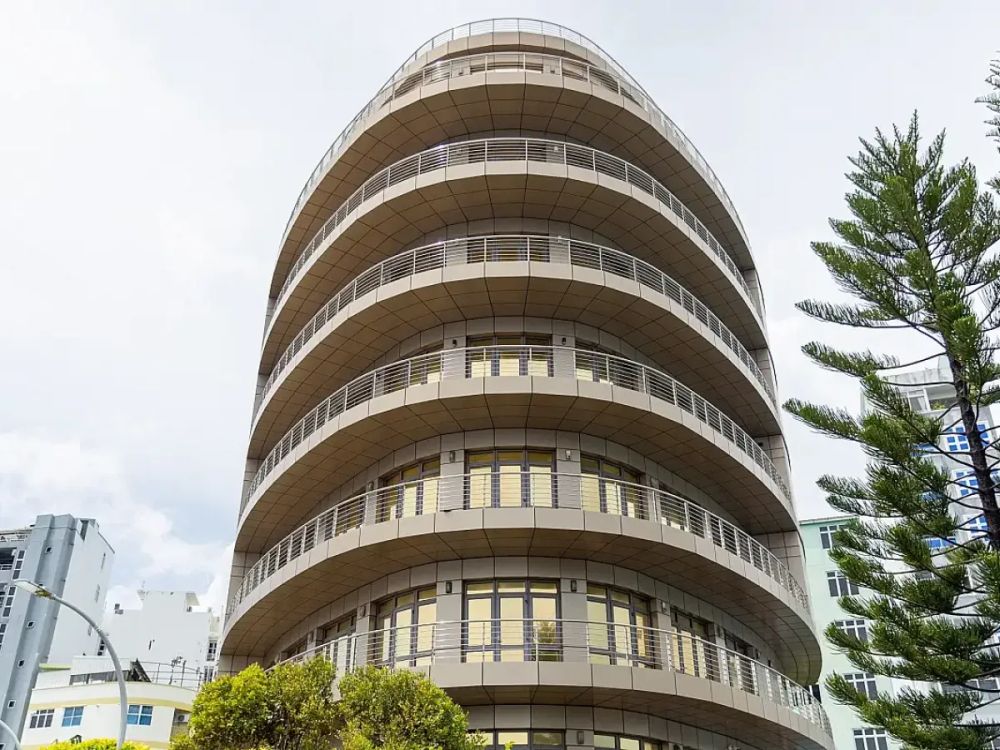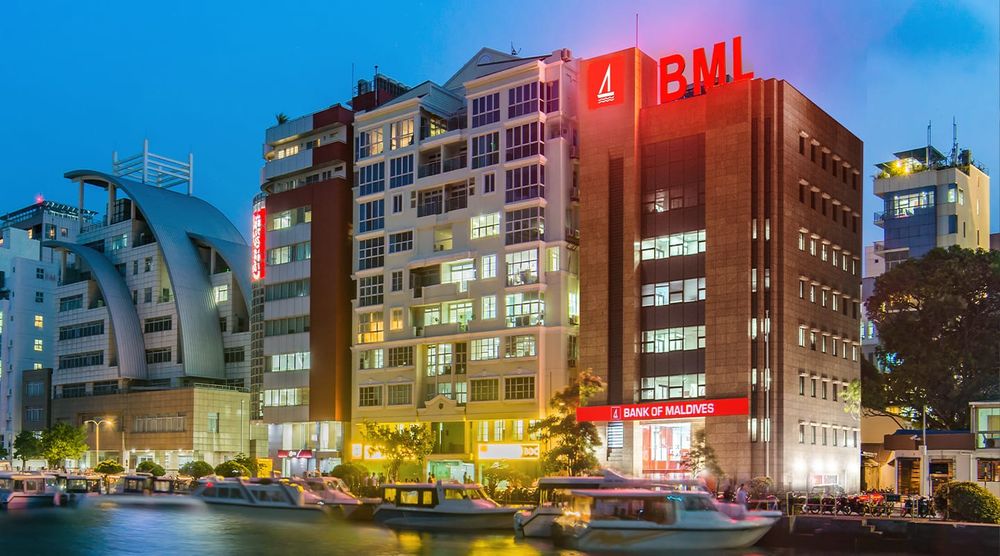
For decades, the story of public housing in the Maldives has followed a predictable, dispiriting script;
Government launches a major housing project with great fanfare, ground is broken, construction proceeds in fits and starts, announce and publishers flat lists, and then term ends.
The incoming administration inherits a concrete skeleton, the project stalls, unfinished and unoccupied. Blames its predecessor for mismanagement, and the cycle of delay and political finger-pointing begins anew.
The 4,000-unit Fahi Dhiriulhun Corporation (FDC) flats, built under President Ibrahim Mohamed Solihs administration, illustrate the pattern perfectly. While construction of the buildings was largely completed during the previous government's term, the previous administration has acknowledged that much of the internal infrastructure and operational systems were left unassigned at the time of the transition in administration. Essential finishing works were never contracted, and a detailed implementation plan was never finalised, leading to further delays.
The result: completed buildings standing empty, beneficiaries waiting years beyond schedule, and a new government left to clean up the mess.
Same unfortunate fate with promising "Hiya" project of President Abdulla Yameens, which was led by the current president Dr. Mohamed Muizzu.
President himself acknowledged this painful pattern in March 2026. "No previous government has completed housing projects and handed them over to recipients within a single term," he said at a press briefing. It was a striking admission — and a direct challenge to his own administration.
Now, the government and the Bank of Maldives (BML) are attempting something unprecedented: delivering a major housing project from groundbreaking to handover entirely within a single presidential term.
Project Scope, Scale, and Construction
The project's scope has expanded significantly from its initial target of 3,000 units to a total of 3,800 three-bedroom flats. This expansion includes a recent addition of 540 units, for which land has been allocated by the Housing Ministry. The construction is divided across multiple sites:
- Hulhumalé Phase I: Includes 364 units (Amin Construction) and 182 units (FW Construction).
- Hulhumalé Phase II: Features 1,224 units (China Machinery Engineering Corporation) and 1,190 units (Beijing Urban Construction Group).
- Vilimalé: 300 units in three 17-storey towers (Rasheed Carpentry and Construction).
The project's construction phase is expected to have a substantial economic impact, projected to add MVR 5.7 billion to the economy and contribute a 3% increase to the nation's nominal GDP. The target for practical completion of all units is set for mid-2028.
"MVR 10,000 for 3 Bedrooms"
A key feature of the project is its focus on affordability, with the monthly rent for a three-bedroom flat estimated at MVR 10,000. This is in stark contrast to market rents for similar apartments in the Greater Malé area, which currently range between MVR 25,000 and MVR 30,000. BML CEO Mohamed Shareef Highlighted that this rental cap aligns with the government's "Housing for All" policy.
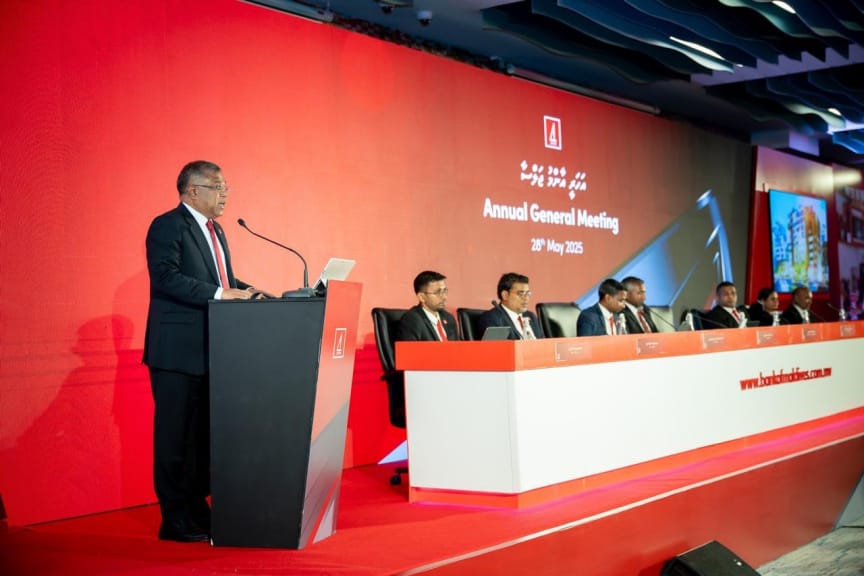
The project aims to ease pressure on the Greater Malé housing market, which has seen high land prices and rental rates. By introducing thousands of affordable units, the initiative is expected to provide relief to the housing shortage and make homeownership accessible to a wider segment of the population.
Lease-to-Own Model and Financial Framework
The project employs a lease-to-own model. This framework allows families to own their homes through manageable monthly payments rather than requiring a large upfront cost, providing a structured path to homeownership. The financial structure is designed to minimize risk for BML, as it is carried out through its subsidiary, BML Affordable Home Leasing Pvt. Ltd, which is a separate legal entity. The government's provision of free land is crucial in making the project financially viable and keeping costs low for the end-user.
Future Outlook and National Implications
Looking ahead, BML's CEO and Housing minister Dr. Abdulla Muthhalib has expressed hope that other financial institutions will join the scheme. The Maldives Islamic Bank has already indicated it will provide affordable financing options for units under this project, and participation from other banks could potentially expand the total number of units under the scheme to 5,000.
The BML Affordable Home Leasing Project is more than a construction endeavor; it is a long-term national investment in people, communities, and the country's resilience. The government views this initiative as a critical step towards securing social development and protection for all citizens.
If the gov and BML meet the July 2028 deadline, they will have done what no previous administration has done: started and finished a major housing project within a single term.
The concrete skeletons will become homes. The political football will be deflated. And a family opening their front door will mark not an end, but a beginning.